

19 Jun Men… it is time for a rethink
Last week was Men’s Health Week. Let’s ditch “The Week” tag. Let’s take the apparent urgency away. We want men to think differently about how to manage your health and wellbeing.
Optimum has many case studies on men and their health. The personal results and impact on their businesses have been significant. The successful cases take time (12 to 24 months) and need a flexible support system. Moving away from “The Week” mentality defuses the urgency.
Time, routines and a prevention focus move men away from solving an urgent problem (their health) to fostering a longer-term prevention approach to their health.
Prevention is the poor relation to curing a health issue.
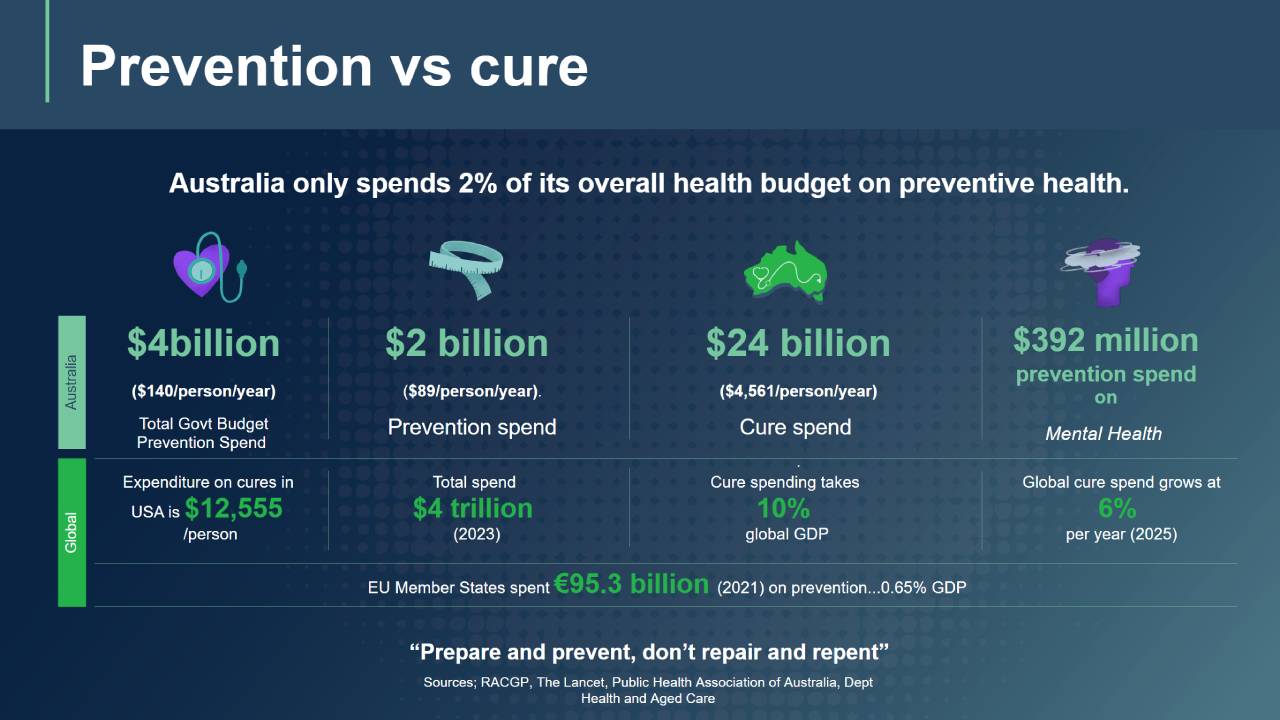
The Australian government spend <2% of the health budget on prevention and this perpetuates the cure model. It is not sustainable.
Men traditionally operate in the “cure me” mode. Fixing things suits male thinking and unfortunately this is not the best approach to manage one’s health and wellbeing.
Men tend to act on their health only when their health becomes “urgent.” Fix me is the call. Keeping health (as well as other matters) in the “urgent” category means operating with higher levels of stress.
Every bloke we speak to indicates their health is vital to them, their family and their business. It is important. However, when we ask how they are prioritising their health over other matters in their life – it falls to the bottom of the list.
We want men to change their thinking. We know it takes time, planning and long-term thinking to truly manage this vital asset. Where we see men move “their health” to a non-urgent matter then they are truly managing their health. The focus here is on prevention, routines, planning and prioritising their health.
Men suggest to us that they will deal with their health and wellbeing – “later,” or when a “medical event” occurs. Clearly this model is not working. Let’s change to the prevention plan. Be prepared and prevent rather than repair and repent.
Research shows that men are less likely to engage in preventive healthcare services and measures. Delay in action often means poorer outcomes. This perpetuates the cure model. The spend in such cases can also be significant.
A great deal of the men we work with are leaders. If they need another incentive to implement a preventive approach it is appreciating the positive impact such behaviours have on the people around them.
When men are in prevention mode the world is a better place. The workplace is a better place, and the family is a better unit.
So, let’s move from “one week thinking” to a longer-term prevention and lifestyle approach. Make the longer term, prevention model the norm rather than the exception. The time to rethink is now.
If you would like a hand getting started, then contact us.